important note
this is not medical advice. if you have diagnosed social anxiety, talk to a professional. random video chat is not a substitute for therapy. this article is about casual shyness and social discomfort, not clinical disorders.
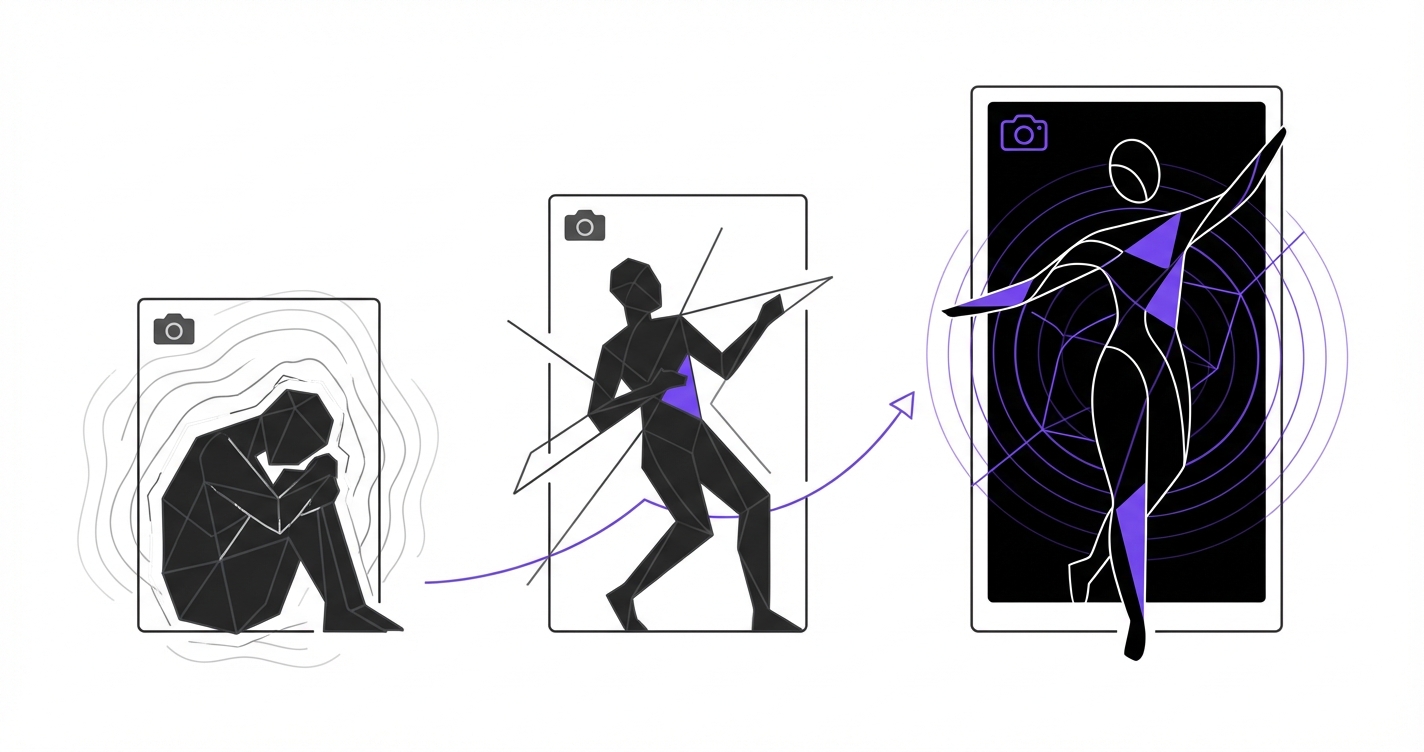
there's a theory that goes: if talking to people makes you nervous, you should practice talking to people. exposure therapy basically. and random video chat provides infinite practice opportunities with low stakes.
does it actually work? it depends.
why it might help
low stakes practice
if a conversation goes badly, you just skip. there's no lasting consequence. you never see that person again. this removes a lot of the fear around making mistakes.
anonymous and temporary
the person doesn't know who you are. if you embarrass yourself, it doesn't follow you. this can make it easier to take social risks you wouldn't take in real life.
repetition
you can have dozens of conversations in one session. each one is practice. over time, talking to strangers becomes more natural.
global perspective
talking to people from different countries can help you realize that most social anxiety is in your head. people everywhere are just people.
why it might not help
negative experiences
random chat isn't always friendly. you'll get skipped sometimes. you'll encounter rude people. if you're already sensitive to rejection, this can make things worse.
avoidance patterns
the skip button can become a crutch. instead of pushing through awkward moments, you might learn to escape them. that's the opposite of exposure therapy.
not the same as real life
online confidence doesn't always transfer to in-person situations. they're different skills. getting good at video chat might not help at parties.
comparison trap
some people you chat with will be incredibly charismatic and socially smooth. comparing yourself to them can make you feel worse.
how to use it constructively
if you want to try video chat for social practice, here's how to set yourself up for success:
start with text or voice
apps like tjub have text and voice modes. start there if video feels too intense. work up to video when you're ready.
set small goals
don't try to have amazing conversations. just try to last 2 minutes before skipping. then 5 minutes. small wins build confidence.
don't skip immediately
make a rule: you have to say at least one thing before skipping. this prevents the skip button from becoming pure avoidance.
limit your sessions
marathon sessions can lead to burnout. 20-30 minutes at a time is enough. quality over quantity.
track your progress
note how you feel before and after sessions. if it's consistently making you feel worse, stop. if it's getting easier, keep going.
when to avoid it
random video chat is probably not for you if:
- you have diagnosed social anxiety disorder (talk to a therapist instead)
- rejection or rudeness from strangers would significantly affect your mood
- you tend to use avoidance as a coping mechanism
- you're looking for a quick fix (this takes time and consistency)
the honest verdict
random video chat can be useful for mild shyness or lack of social practice. it provides safe, low-stakes opportunities to talk to strangers. many people report it helped them become more comfortable with conversation.
but it's not therapy and it's not for everyone. negative experiences are common. the skills don't always transfer to real life. and the skip button can enable avoidance rather than growth.
if you want to try it, start slow with text or voice chat on tjub or similar apps. set small goals. pay attention to how it makes you feel. and stop if it's making things worse.
social skills are like any skill. practice helps. but the quality of practice matters more than quantity.